Early Life and Education
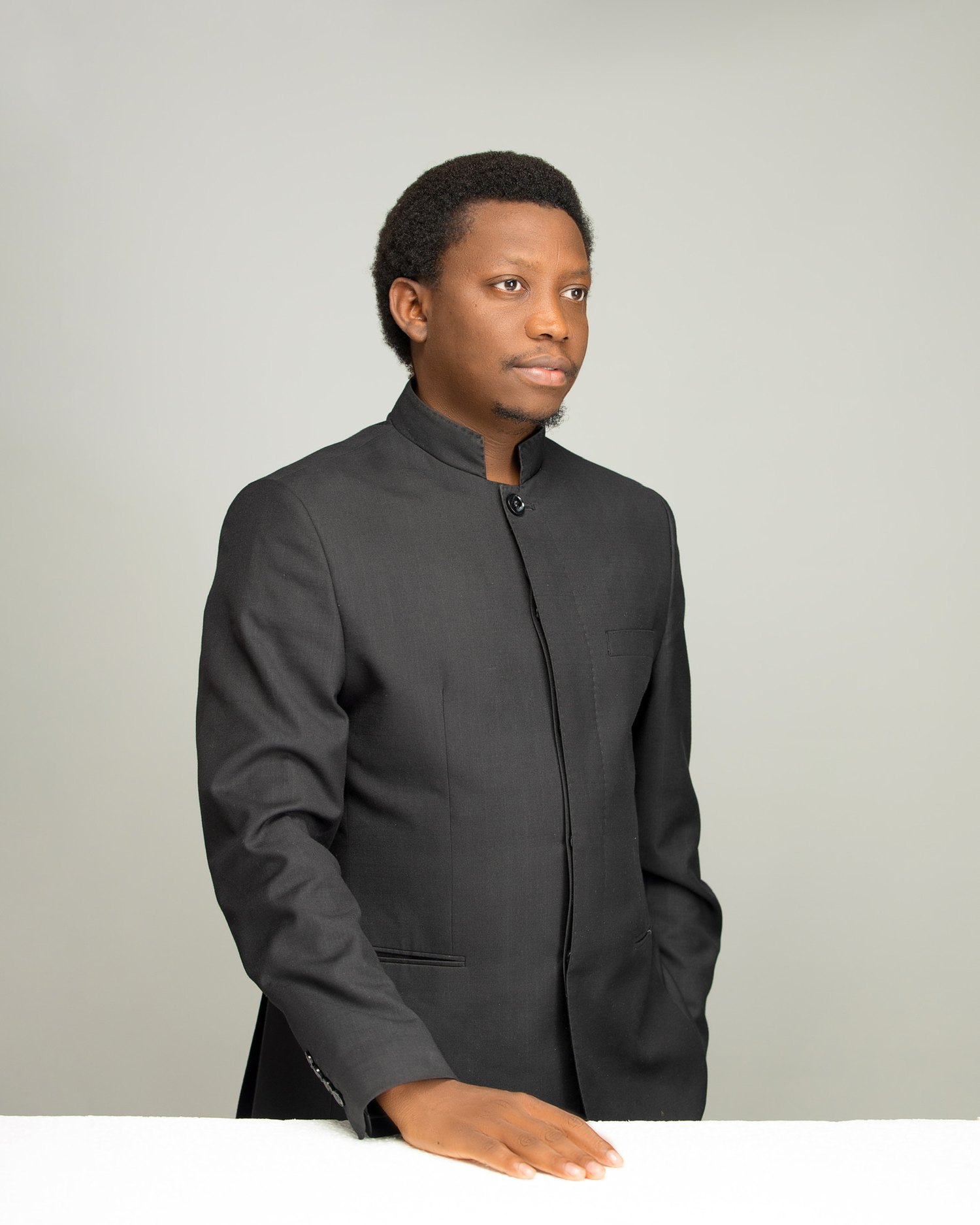
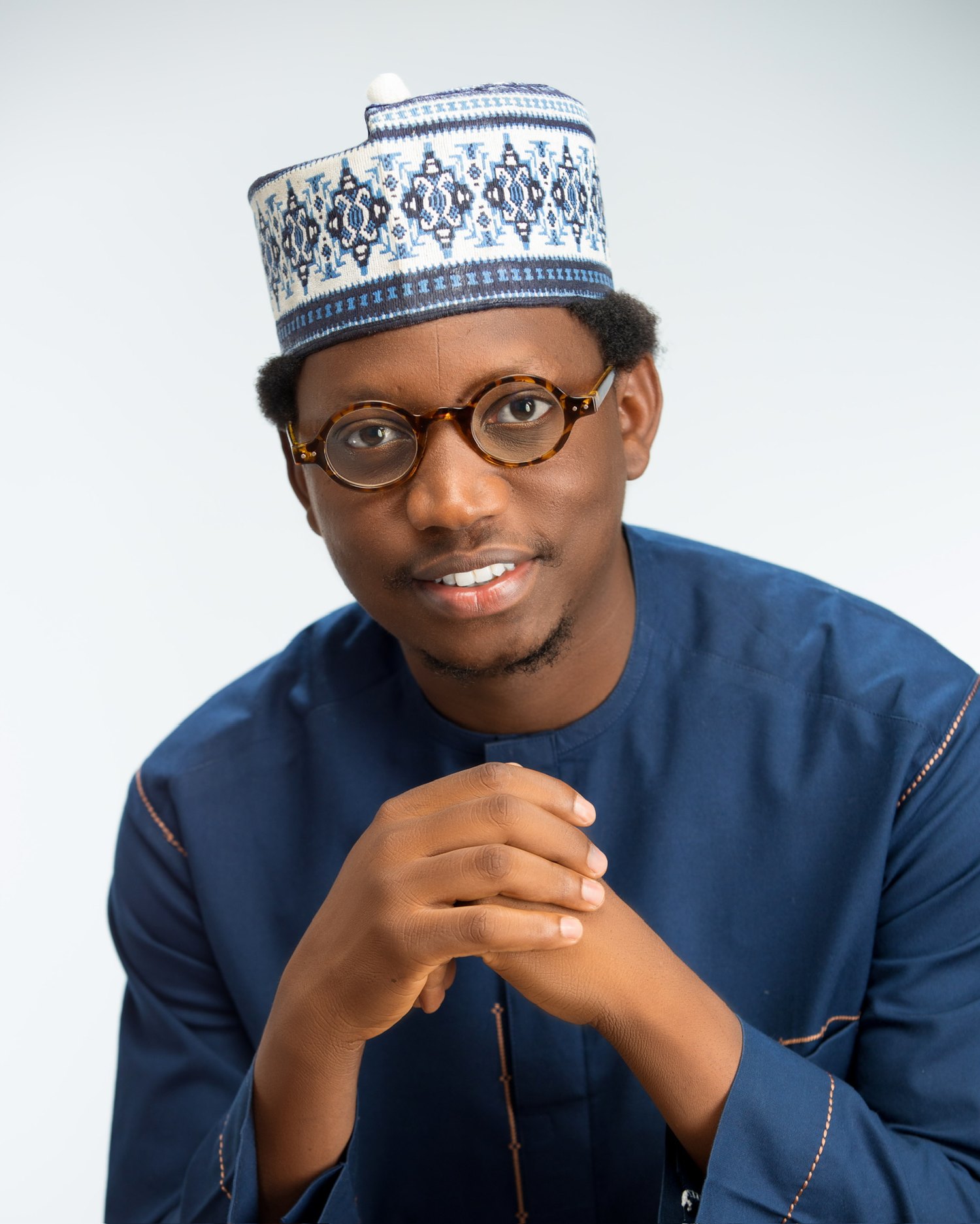
My name is Yusuf Garba.
I was born in Jambutu, Yola North, and much of the story of my life began within the same constituency I am now asking for the privilege to represent.
I attended both primary and secondary school in Yola North before eventually moving to Lagos to further my education and begin building my professional career.
I was educated in government schools.
That part of my story is important to me because when I speak about the condition of public education, I am not speaking only from reports or statistics.
I experienced the system myself. I sat in those classrooms. I understand what it means for children to depend almost entirely on the quality of the public schools available to them. And I understand what education can mean for a child whose family may not have the option of sending them somewhere else.
But school was only one part of my early life.
From a young age, I learned that if I wanted something, I often had to work for it.
While still in primary and secondary school, I tried different ways of earning money. I sold things to fellow students. I moved from house to house selling earrings. I sold gwanjo — second-hand clothes. I worked in a pure-water factory. I also worked as a painter.
These were not experiences I acquired later in life in an attempt to understand how ordinary people live.
I lived them.
I know what it means to work while still trying to get an education. I know what it means to start small. I know what it means to do whatever honest work is available because there are responsibilities to meet and ambitions you are trying to pursue.
That experience is still the reality of many young people and families across our constituency today.
Some students are combining school with work. Some young people are hawking or doing small jobs because their families need the additional income. Some are trying to learn a trade because university may not immediately be within reach. Some graduates are searching every day for their first real opportunity.
When I speak about them, I do not see statistics. I recognise parts of my own journey.
Those early experiences taught me the dignity of honest work. They taught me that no legitimate work is beneath anyone. They also taught me resilience.
You may start with very little. You may not have all the advantages. But if you are prepared to work, learn, endure setbacks and continue moving forward, your starting point does not have to determine your destination.
“Your starting point does not have to determine your destination.”— Yusuf Garba
From Intern to Co-Founder
After completing my education in Yola and moving to Lagos, I began my professional career as an intern in the technology industry.
I started at the bottom. I learned. I worked. I took on greater responsibilities. Eventually, I became a full-time employee and rose to become a senior technology engineer.
For a young man who had once hawked goods from house to house in Jambutu, that journey meant a great deal to me.
But eventually, I faced another important decision.
I had a stable job. I was earning a salary. I had built a professional career. And yet I believed there was something more I could build.
So I made the decision, together with my co-founders, to leave the certainty of paid employment and start a company of our own.
There was no guarantee that it would work. There was uncertainty. There was risk. And there were many reasons to remain where I was.
Walking away from a secure salary to start again requires courage. It requires belief. And it requires the willingness to accept the possibility of failure.
We started the company from the living room of our home in Lagos.
There was no large office. There was no guarantee of major customers. There was no certainty about how far the business would go. There was simply an idea, determination and the willingness to do the work.
Over time, what began in that living room grew.
Today, that journey has developed into a multi-billion-naira group of companies with interests extending beyond technology into agribusiness, sports, electronics, renewable energy and other areas.
We have also built a charity foundation through which we have supported less-privileged members of our society, particularly within the communities that shaped me.
Experience Across Business, Institutions and Government
My professional journey has also given me something I consider extremely important as I prepare to enter public service: exposure beyond my own businesses and immediate environment.
Over the course of my career, I have had the opportunity to build relationships with people and organisations within Nigeria and beyond. I have worked with major corporate organisations, professionals across different industries, technology companies and institutions operating at different levels. I have also had opportunities to work with and provide solutions to government institutions.
These experiences have allowed me to understand two worlds that do not always work closely enough together: the world of government and the world of private enterprise.
The private sector teaches you about efficiency, competition, innovation, customer expectations, financial discipline and the consequences of failing to deliver. Government operates differently. It works through laws, budgets, institutions, procedures, approvals, public accountability and different layers of responsibility.
Effective public leadership requires an understanding of both.
It is not enough to have good intentions. You must understand institutions. You must know how to engage people. You must know how to build partnerships. You must understand how projects move from ideas to approvals, budgets and implementation. You must be able to work with professionals, businesses, government agencies, development partners and people from different backgrounds. And you must know how to bring these different interests together around a common objective.
My career has allowed me to sit across the table from business leaders, professionals, public institutions and partners within and outside Nigeria. It has taught me how to negotiate, how to build relationships, how to manage projects, how to lead teams, how to work with institutions larger than myself, how to understand problems before proposing solutions, and how to remain focused on delivery even when the process becomes difficult.
I believe this experience matters greatly in the office I am seeking.
A Member of the House of Representatives must operate inside government, but effective representation also requires relationships outside government. Attracting investment requires understanding investors. Creating employment opportunities requires relationships with employers. Building technology programmes requires partnerships with technology companies. Supporting agriculture requires engagement with farmers, financiers, processors and markets. Advancing major infrastructure requires understanding government institutions, budgets and the private sector that ultimately helps deliver many projects.
The ability to move between these worlds, understand how they operate and bring people together around practical objectives is one of the experiences I intend to bring into public service.
I am not coming into public service without experience in leadership, enterprise, institutional engagement or delivery.
I have spent years building organisations, managing people, working with corporations, engaging public institutions and developing relationships within and outside Nigeria.
I believe those experiences have prepared me for the responsibility I am now asking the people to entrust to me. They do not mean that every challenge will be easy. But they give me the practical experience, relationships, institutional understanding and confidence required to pursue the commitments contained in this manifesto with seriousness and determination.
What My Journey Has Taught Me
For me, the most important part of my story is not the size of the companies we eventually built. It is where the journey began.
From selling small items in school. To hawking from house to house. To working in a pure-water factory. To painting. To becoming a technology intern. To becoming an engineer. To leaving a secure job. To starting a business from a living room. And then building, step by step, through uncertainty.
That journey has taught me lessons that I believe are relevant to public leadership.
It taught me hard work. It taught me resilience. It taught me courage. It taught me the importance of making difficult decisions when circumstances require them. It taught me how to start with limited resources and still build towards a larger goal. It taught me that good ideas require execution. It taught me that people must be given responsibilities according to their abilities. It taught me to manage resources carefully. It taught me the importance of relationships and collaboration. It taught me to plan beyond today. And perhaps most importantly, it taught me never to forget where I started.
My success did not remove me from the realities of our communities because those realities are part of my own story.
I understand the child attending a government school because I was that child. I understand the young person doing small jobs to survive because I did those jobs. I understand the graduate searching for an opportunity because I once needed someone to give me my first opportunity as an intern. I understand the entrepreneur taking a risk because I walked away from security to build something uncertain. I understand the farmer and small-business owner trying to grow because I have experienced the challenges of building businesses and working in agribusiness.
These experiences have shaped how I think about development. They are also a major reason I am running for office.
I do not believe that the answer to every problem is to give people temporary assistance.
There will always be moments when immediate help is necessary, and we must never lose our humanity towards people going through difficult circumstances. But my own life has convinced me that the most powerful thing we can give people is opportunity.
“The most powerful thing we can give people is opportunity.”— Yusuf Garba
A good education. A useful skill. A first job. Access to finance. Infrastructure that allows a business to grow. Technology that opens new markets. Support that helps a farmer produce more. A connection that allows a young person to enter an industry they never thought they could reach. An environment where someone who starts small can dream bigger.
That is the kind of development I believe in. And that is why I am seeking the mandate of the people of Yola North, Yola South and Girei.
Why Public Service?
I did not enter politics because I believe government alone can solve every problem. I entered because public policy, legislation, budgets, oversight and representation determine whether the efforts of citizens, businesses and communities are enabled or frustrated.
I am seeking to represent Yola North, Yola South and Girei because our constituency needs a representative who can listen locally, think strategically, work across institutions and keep the people informed. My ambition is to combine grassroots connection with professional execution and long-term development thinking.
My Promise of Representation
I will work for a constituency office that is accessible, data-driven and accountable. I will advocate for projects with clear community value, pursue partnerships that expand opportunity, contribute intelligently to legislation and national debate, and report back to the people regularly.
For me, 2027 is not simply about a seat. It is about helping build a new culture of representation — one that respects the intelligence of the people and matches ambition with work.